
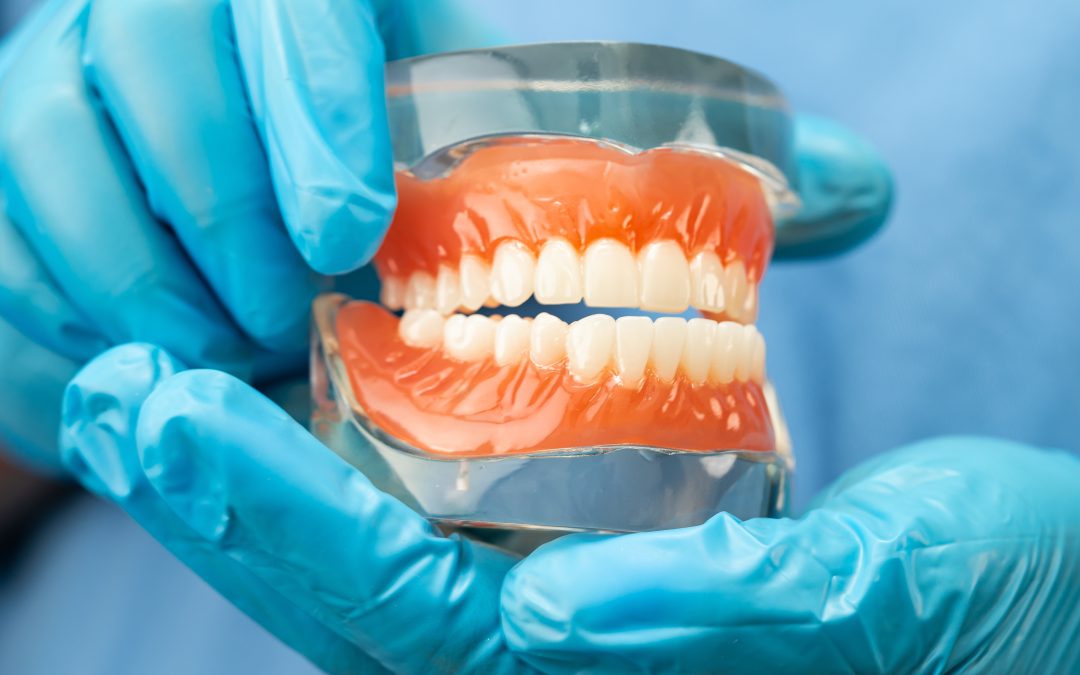
Sitting down for a holiday dinner should be an opportunity to enjoy your favorite foods and spend time with the people you love. However, when your dentures shift as you chew, eating can become uncomfortable. You might find yourself taking smaller bites, avoiding certain foods, or worrying about your dentures moving during a conversation.
If you have noticed loose dentures while eating, changes in your denture fit could be responsible. Even dentures that once felt comfortable and secure can fit differently as your mouth changes over time.
At Lisa K. Zaborski, we help patients in Shelby Township, MI, replace missing teeth with complete dentures and removable partial dentures. We understand how important a comfortable, natural-looking smile is to your daily life. Understanding why your dentures move and recognizing when they need professional attention can help you enjoy meals with greater confidence.
Why Do Loose Dentures Develop Over Time?
Dentures are designed to fit the unique shape of your mouth. However, the gums and underlying jawbone can gradually change following tooth loss. As these natural changes occur, the denture base may no longer match the tissues that support it, affecting stability and comfort.
Several factors can contribute to changes in denture fit, including:
- Bone resorption: Natural tooth roots help stimulate the jawbone. After tooth loss, the jawbone can gradually shrink through a process called bone resorption. This bone loss changes the foundation that supports your dentures.
- Changes in gum tissue: Your gums can change shape as your mouth heals following tooth removal and throughout your years of wearing dentures.
- Everyday wear: Daily chewing, cleaning, and handling can gradually affect the condition of the denture base and denture teeth.
- Weight changes: Significant weight loss can sometimes affect oral tissues and the way dentures fit.
- Changes in remaining natural teeth: If you wear removable partial dentures, changes in the health or position of your remaining teeth can affect the stability of your appliance.
- Dry mouth: Saliva plays a role in denture retention. Reduced saliva production can contribute to discomfort and make maintaining a secure fit more difficult.
These mouth changes can happen gradually, making them difficult to recognize at first. You might become accustomed to using your tongue to reposition your dentures or chewing primarily on one side of your mouth.
Even when your dentures appear to be in good condition, underlying bone changes and gum changes can affect how securely they sit. Paying attention to these small changes can help you recognize fit concerns before they begin interfering with your daily activities.
Why Denture Fit Problems Are More Noticeable During Meals
You may feel comfortable wearing your dentures throughout most of the day, only to experience problems when you sit down to eat. Chewing places pressure on your dentures from different directions, particularly when eating foods that require additional effort to break down.
Holiday meals often include a variety of textures that can make existing denture fit concerns easier to notice. Crusty dinner rolls, roasted meats, raw vegetables, and sticky desserts can place different demands on your dentures.
For example, biting into a firm piece of food with your front teeth can cause a complete denture to tilt or lift. Sticky foods can pull against your dentures, while chewing primarily on one side can create uneven pressure.
Some denture wearers experience more movement with their lower denture. The lower jaw provides a smaller supporting area, and the movement of your tongue can make maintaining a snug fit more challenging.
You might also notice food particles collecting underneath your dentures more frequently. When gaps develop between the denture base and your gums, trapped food can contribute to gum irritation.
If you have started choosing your meals based on what your dentures can comfortably handle, it is worth discussing these changes with your dentist. Persistent difficulty chewing can affect your food choices, nutrition, and overall quality of life.
Signs Your Dentures May Need an Adjustment
An occasional difficulty with a particularly chewy food does not necessarily indicate a problem. However, recurring discomfort or movement during everyday activities can suggest that the fit of your dentures needs professional attention.
Here are some common signs to watch for.
Your Dentures Shift When You Chew
If your dentures regularly slide, rock, or lift while eating, their fit may have changed. You might notice movement even when eating relatively soft foods or find yourself frequently repositioning a loose denture with your tongue.
You Have Sore Spots or Irritated Gums
Ill-fitting dentures can create uneven pressure against your gums. Over time, repeated friction can lead to tenderness, redness, sore spots, or mouth sores that make wearing your dentures uncomfortable.
Pay attention to irritation that develops in the same area of your mouth, especially after meals or extended periods of denture wear. Persistent pressure points deserve professional attention.
You Rely More Heavily on Denture Adhesive
Denture adhesive can provide additional stability when used appropriately. However, needing increasingly large amounts of adhesive or regularly experimenting with different adhesives could indicate that your dentures no longer fit properly.
Adhesive can temporarily improve stability, but it cannot correct underlying changes in the shape of your mouth. An ongoing loose fit should be evaluated by your dentist.
Your Speech Has Changed
Your tongue, lips, and teeth work together to help you pronounce words clearly. When dentures become unstable, you might notice clicking sounds, difficulty pronouncing certain words, or changes in how you speak.
These changes can be particularly frustrating if you have worn your dentures comfortably for years.
Eating Takes Longer Than It Used To
You may find yourself cutting food into increasingly small pieces, chewing more slowly, or avoiding foods you previously enjoyed. A noticeable change in your ability to chew comfortably deserves attention, especially when it begins affecting your confidence during social gatherings.
How Can Loose Dentures Be Corrected?
The good news is that several treatment options exist for dentures that no longer fit comfortably. The best solution depends on the condition of your appliance, the type of dentures you wear, and the changes that have occurred in your mouth.
A professional dental evaluation is an important first step. Your dentist can examine your oral health, assess the stability of your dentures, and determine what is contributing to your discomfort.
Common solutions for improving denture fit include:
Denture Adjustments
Minor modifications to a denture can help address areas where the appliance rubs against your gums or creates uncomfortable pressure. An adjustment may be appropriate when the overall denture remains in good condition and the fit concern is limited to specific areas.
Denture Relining
A denture reline involves modifying the inner surface of an existing denture to better match the current contours of your mouth. This process can help achieve a better fit while preserving the existing denture teeth when appropriate.
A hard reline uses a firm material, while a soft reline uses a more flexible lining material that can provide cushioning for sensitive oral tissues. The appropriate approach depends on your individual needs.
Denture Replacement
Sometimes, the condition of an older appliance or significant changes in your mouth make replacement a more appropriate option. New dentures can be designed around your current oral anatomy to help establish a comfortable fit and restore everyday function.
Implant-Retained Dentures
For patients interested in additional stability, dental implants can provide support for certain types of dentures. Implant-retained dentures use implants placed in the jawbone to help hold the appliance in position, potentially providing a more secure fit.
At Lisa K. Zaborskil, Dr. Lisa K. Zaborski offers dental implant restoration, including implant-retained dentures. While implant placement surgery is performed outside our office, Dr. Zaborski specializes in restoring dental implants and can help patients understand their restorative options.
Avoid attempting to adjust, bend, or file your dentures at home. Even small modifications can damage the appliance or create additional pressure against your gums.
Understanding Your Denture Options at Lisa K. Zaborski
Every patient experiences tooth loss differently. The number of missing teeth, the health of your remaining teeth, and your individual oral health needs all influence which tooth replacement option is appropriate.
At Lisa K. Zaborski, we offer several types of dentures and partials to help patients restore their smiles and support everyday activities such as eating and speaking.
Conventional Complete Dentures
Conventional complete dentures replace all missing teeth in the upper or lower arch. These dentures are made and placed after any remaining teeth have been removed and the oral tissues have healed.
Allowing the tissues to heal before placing traditional dentures helps account for the changes that occur following tooth removal.
Immediate Complete Dentures
Immediate dentures are placed as soon as the remaining teeth are removed. Measurements and models of your jaws are taken beforehand, allowing you to have replacement teeth throughout the healing period.
Because bone and gum tissue can change as healing progresses, immediate dentures may require additional professional attention to maintain a comfortable fit.
Removable Partial Dentures
If you still have some of your natural teeth, removable partial dentures can fill the spaces left by missing teeth. These appliances typically feature replacement teeth attached to a gum-colored base and may incorporate a metal framework.
The health of your remaining teeth and gums plays an important role in the function and stability of your partial denture.
Valplast Partials
Lisa K. Zaborski also offers Valplast partials, a metal-free alternative to traditional removable partial dentures. These appliances provide a natural-looking tooth replacement option designed to support comfort and confidence while eating, speaking, and smiling.
Dr. Zaborski can help you understand the differences between these options based on your individual dental needs, lifestyle, and treatment goals.
Tips for Eating Comfortably and Extending the Life of Your Dentures
Good denture care can help protect your appliance, maintain healthy oral tissues, and make everyday meals more manageable. Establishing consistent habits is especially helpful during busy times of the year when your usual routines may change.
Consider incorporating these habits into your daily routine:
- Cut food into manageable pieces. Smaller bites can reduce the pressure placed on your dentures and make chewing easier.
- Chew evenly on both sides of your mouth. Distributing pressure can help reduce rocking and movement while eating.
- Choose tender foods when experiencing discomfort. Cooked vegetables, tender meats, eggs, and other easy-to-chew foods can make meals more comfortable while you arrange an evaluation.
- Practice daily cleaning. Use a denture brush and an appropriate denture cleanser to remove food particles, plaque, and adhesive residue.
- Care for your gums and oral tissues. Brush your gums, tongue, and palate each morning with a soft-bristled toothbrush before inserting your dentures.
- Avoid hot water when cleaning dentures. Excessive heat can distort certain denture materials and affect their fit.
- Remove your dentures at night. Unless your dentist has instructed you otherwise, removing your dentures overnight gives your oral tissues time to rest.
- Maintain regular dental visits. Routine examinations allow your dentist to monitor your oral health and identify changes that could affect the comfort of your dentures.
If you wear partial dentures, maintaining the health of your remaining natural teeth is especially important. Consistent brushing, flossing, professional teeth cleanings, and appropriate gum care can help protect the teeth and tissues that support your appliance.
Healthy habits can contribute to a longer-lasting dental appliance and a more comfortable denture-wearing experience. Persistent movement, pain, or difficulty chewing should still be evaluated by a dental professional.
Enjoy Your Favorite Meals With Greater Confidence
Sharing a meal with family, visiting your favorite restaurant, and enjoying familiar holiday traditions are meaningful parts of everyday life. When your dentures become uncomfortable, these experiences can start to feel unnecessarily complicated.
At Lisa K. Zaborski, we believe your dental care should support your comfort, confidence, and long-term oral health. Dr. Lisa K. Zaborski and our friendly team provide personalized dental care in a welcoming environment, helping you understand your tooth replacement options and make informed decisions about your smile.
If you are experiencing loose dentures, recurring gum irritation, or difficulty eating, contact Zaborski Dental in Shelby Township, MI, to schedule an appointment. We are here to help you explore your options and work toward a smile that feels comfortable throughout your day.